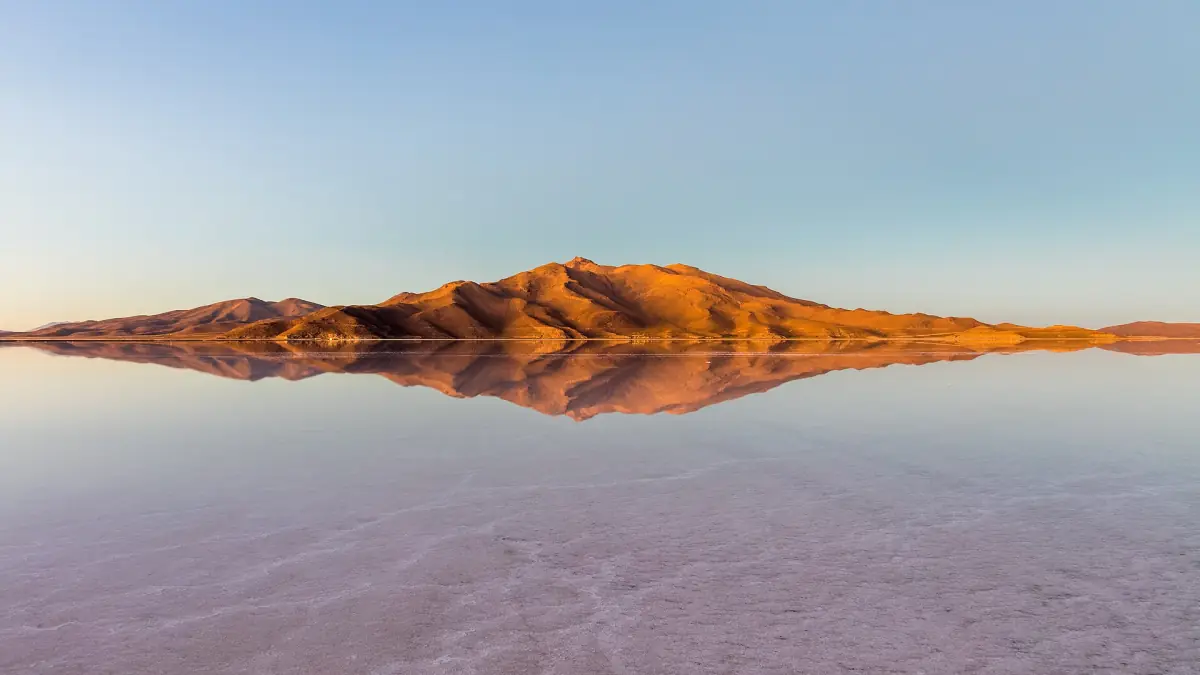
How the mirror forms
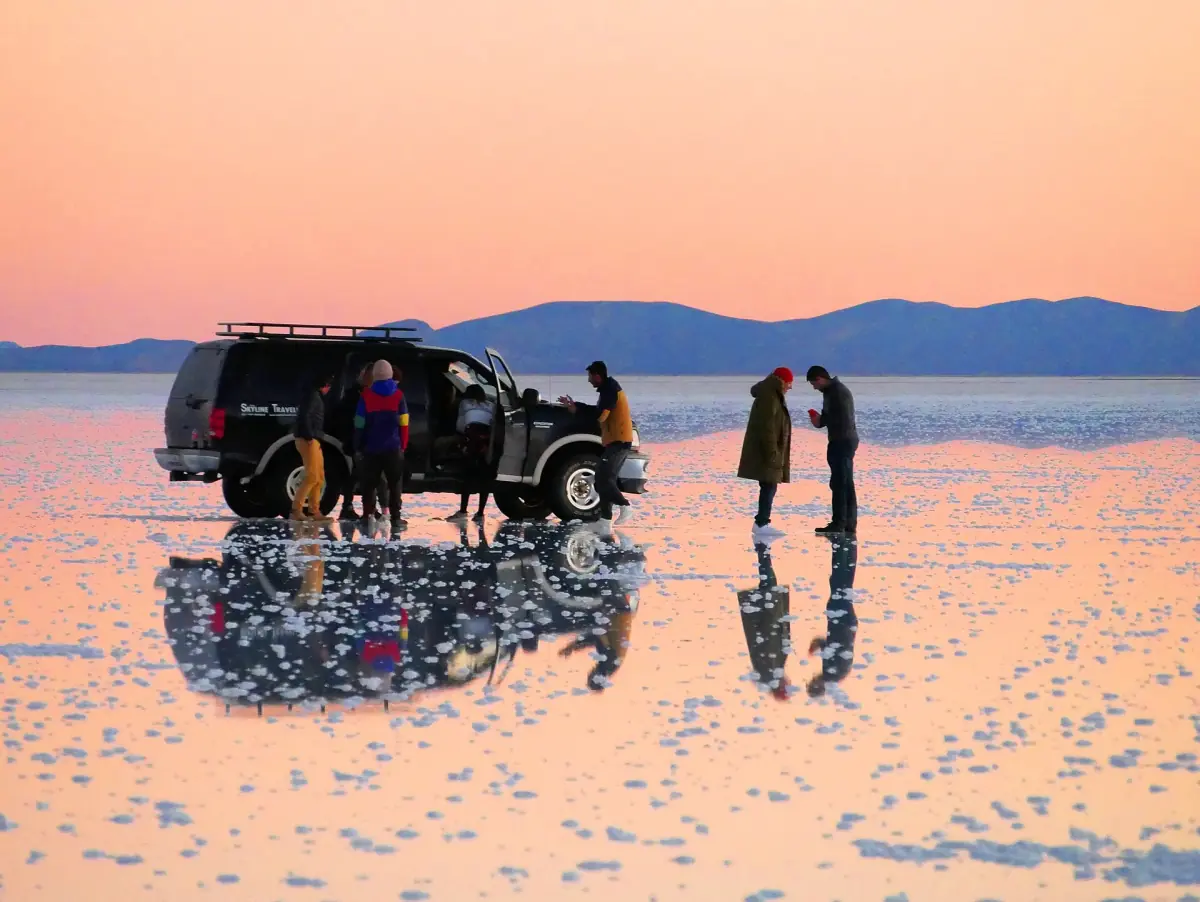
The Salar de Uyuni is almost perfectly flat. When rain collects on the crust, a thin layer of water can reflect the sky, the mountains and your vehicle. The reflection needs smooth water. Wind, ripples and patches that are too deep or too shallow change what you see. It is a seasonal chance, not a promise for any single day.
Rain falls mostly from December to March, and the dry season usually runs from April to November. Some operators set the rainy season later, from late December to mid April. If the reflection is your main goal, the wet months are the time to go. Compare Uyuni salt flat tours and the 3-day jeep tour, and keep your plans flexible.
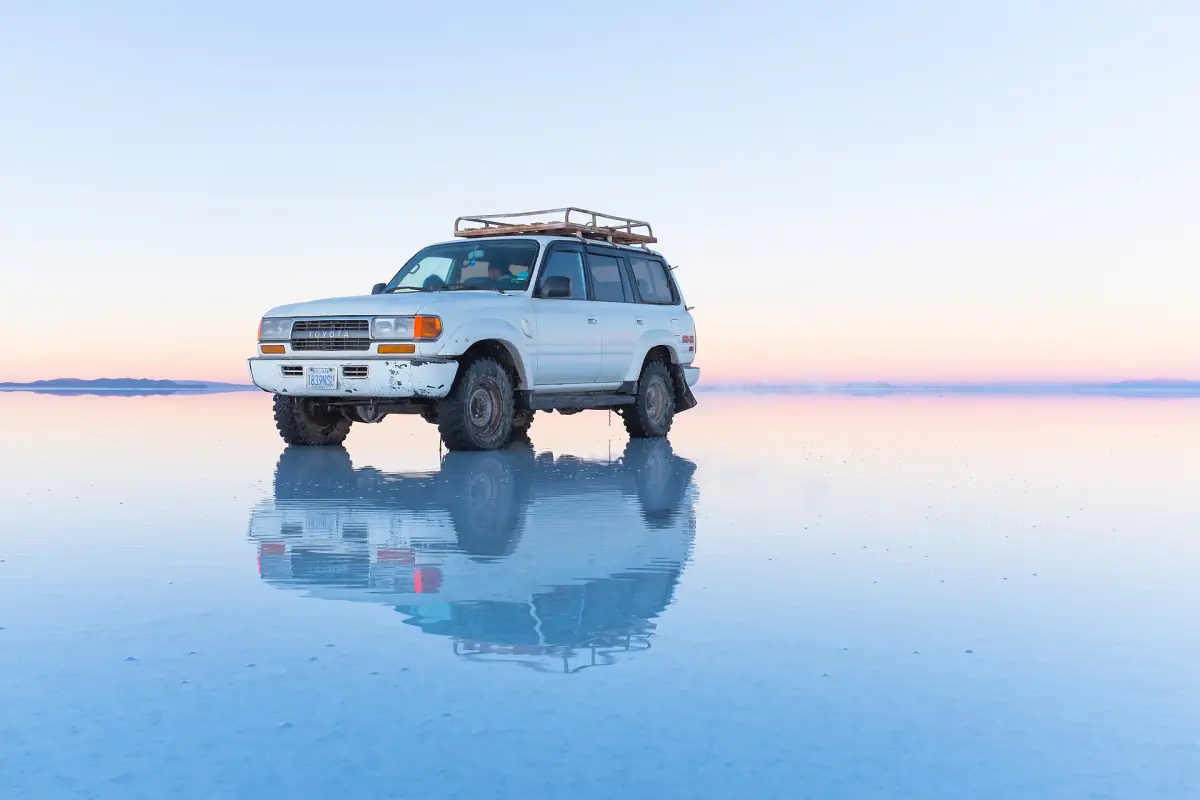
Wet and dry salt flat side by side
The same place looks very different in the two seasons.
| Topic | Rainy season | Dry season |
|---|---|---|
| Typical months | Mainly December to March, or late December to mid April | Usually April to November, or late April to early December |
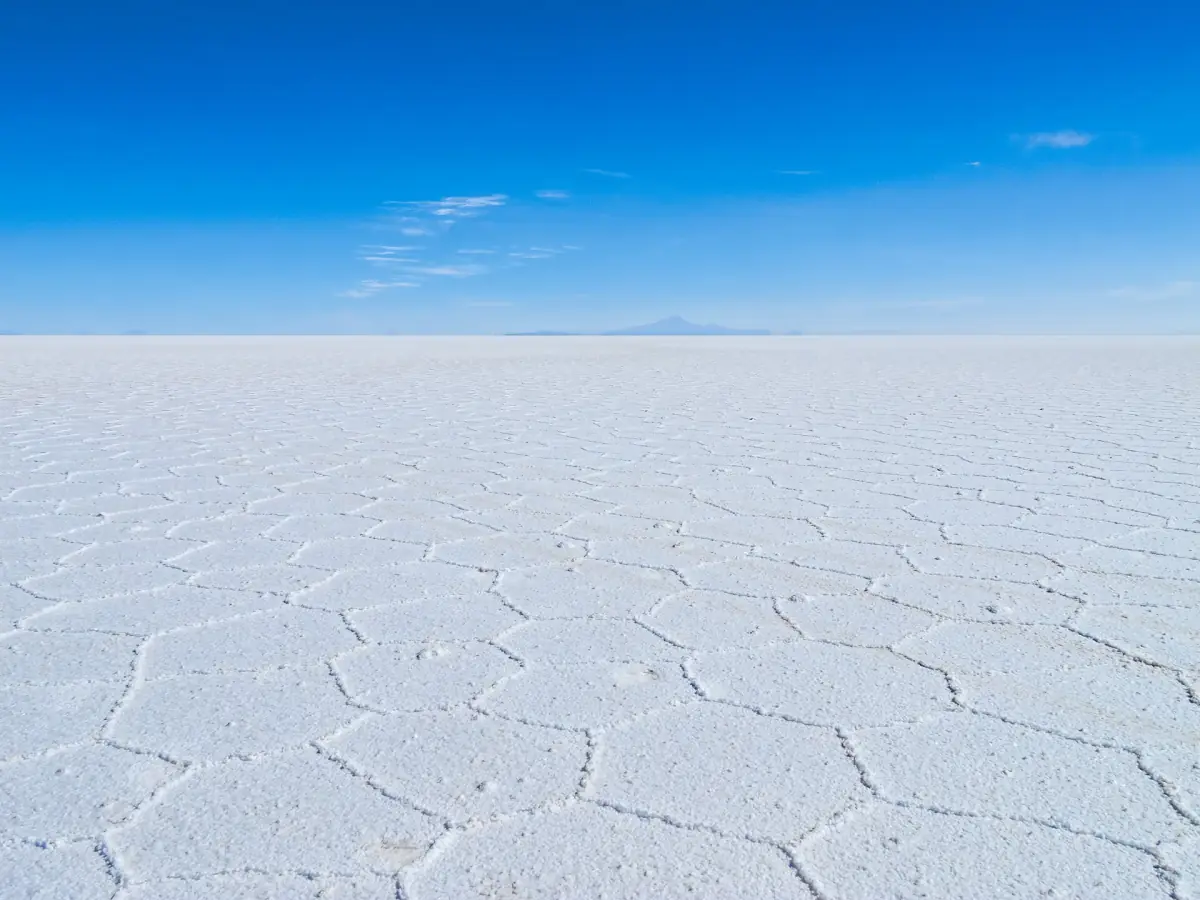
| Surface | Thin water can turn the salt flat into a mirror | Dry crust with hexagon salt patterns |
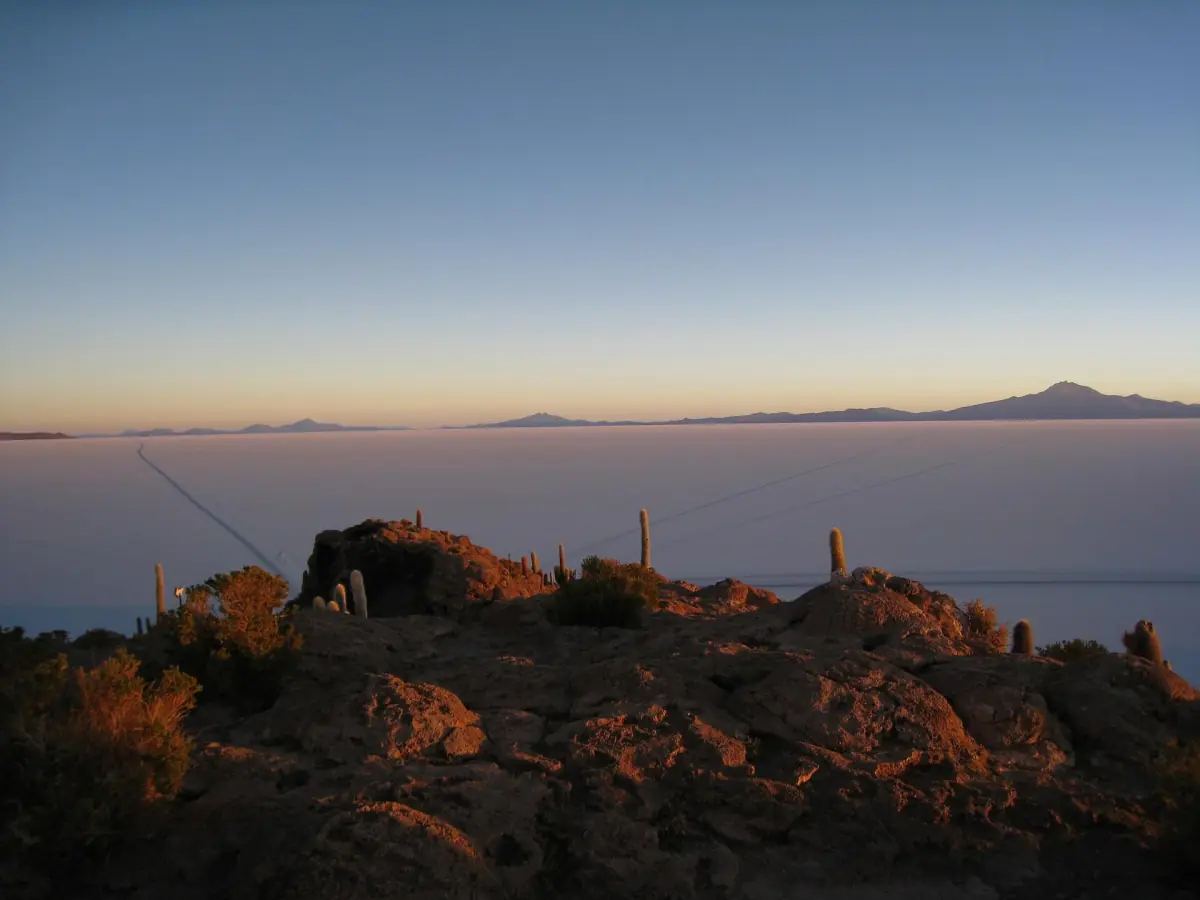
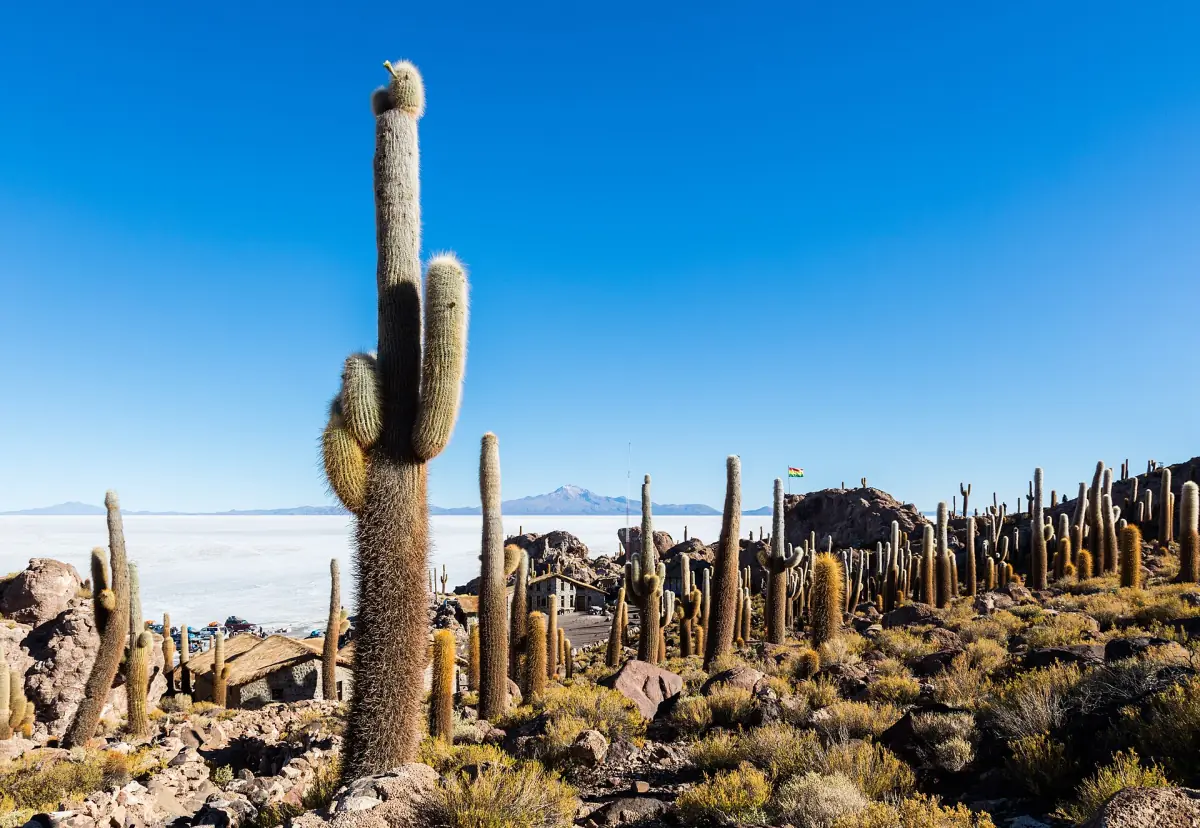
| Incahuasi Island | The visit can be replaced by mirror photos when the salt flat is flooded | Part of the usual day-tour route |
| What to wear | Rubber or waterproof boots, a change of socks, a towel | Sunglasses, sun protection, a hat |
| Best for | Reflections, sunsets with a mirrored sky | Long drives, the island, patterns in the salt |
For most visitors whose main goal is the reflection, the wet months are the right choice, booked with some flexibility. For most visitors who want the island and the full route without changes, the dry season is the safer choice.
Our pick: boots for the wet flat
When the salt crust is flooded you walk in water, so this tour's rubber boots are the useful part.
Hand-picked tours, booked through GetYourGuide. Prices are indicative starting prices in US dollars (as of October 2026). Tap a tour for live availability and the current price in your currency.
Uyuni Salt Flat tours through the seasons
Day trips, 3-day jeep tours and trips from San Pedro de Atacama across the salt flat, with current prices and availability.
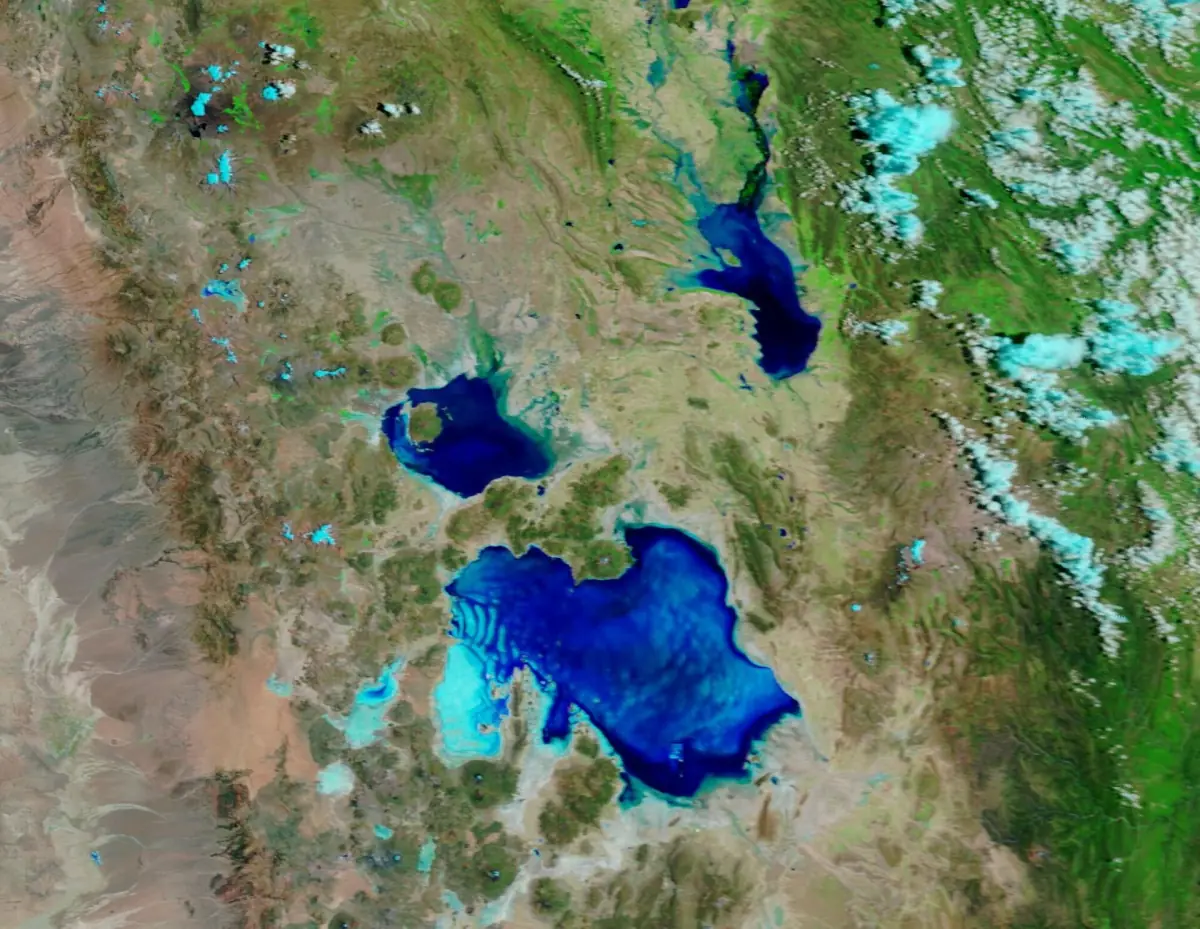
A view from above
A satellite image from February shows how much water can sit on the surface in the wet months. How much water there is, and where, changes from year to year. In early 2022 unusually widespread flooding led to temporary bans on access. That year shows that wet-season plans can change at short notice.
Ask your operator how the route works when the salt flat is flooded, and which part your vehicle can reach on your date. Some operators mention a limit of about 15 km for driving in during the wet season. Treat that as a question to ask, not as a fixed rule.
What changes on tour in the wet season
Practical points for the months with water.
The island stop
When the salt flat is flooded, operators replace the Incahuasi visit with mirror photos. From January to April the island visit can be skipped and routes can change. Do not book on the assumption that the island is included all year. See the Incahuasi Island page.
Boots and spare clothes
Some day-tour offers include rubber boots in the rainy season, and waterproof boots work too. Bring spare socks and a towel. The packing list covers the rest.
Sunset on the water
A mirrored sunset needs calm water and an open sky. Water is needed for one, clear sky for the other, and neither is promised. Read more on the sunset and stars page.
Timing the trip
Operators draw the season lines differently, so no month can be promised to show a mirror. The best time to visit page has monthly temperatures and rainfall.
Plan the rest of your trip
Pages that fit the season you choose.
Uyuni rainy season: frequently asked questions
When is the mirror effect on the Uyuni Salt Flat?
It needs a thin layer of calm water, so it belongs to the rainy season. Rain falls mostly from December to March, and some operators put the rainy season from late December to mid April. No month guarantees a mirror.
Can I see the mirror every day in the rainy season?
No. The water level changes, wind can ripple the surface and routes can change. Plan a few days of buffer if the reflection matters to you.
Is Incahuasi Island open in the rainy season?
Not always. When the salt flat is flooded, the island visit can be replaced by mirror photos. From January to April the island visit may be skipped.
What shoes do I need for the wet salt flat?
Rubber or waterproof boots. Some day-tour offers include them, so check before you buy your own. Bring spare socks.
Is the dry season worth it?
Yes, if you want the island, long drives and the hexagon patterns in the dry crust. It is also the colder time, with freezing nights in the winter months.
Is this the official site for visiting Uyuni?
No. This is an independent travel guide. It is not run by a tourism authority, the reserve service, a hotel or a tour operator.